375k stars and still raising - The OpenClaw revolution
375,000 GitHub stars, a GitHub stars trajectory never seen before. And some drawbacks, such as a supply chain attack (ClawHavoc, early 2026) that planted malicious code in several hundreds third-party extensions. We are talking about the AI agent OpenClaw. And some alternatives …
OpenClaw
OpenClaw connects LLMs to your VM (local machine) via a Gateway daemon (systemd/LaunchAgent). Messaging platforms — WhatsApp, Telegram, Slack, Signal — are the UI for the local bot.
Tasks are executed through 100+ preconfigured AgentSkills covering shell, browser, APIs, and file system. Memory and config live as plain Markdown/YAML under ~/.openclaw - pretty comfortable.
It is Model-agnostic; you can swap between Anthropic, OpenAI, Google, local inference models, or any other model with an OpenAI-compatible endpoint.
User message → Channel (Telegram/Slack/…) → Gateway daemon
             → LLM → Skill execution (shell, browser, API, fs)
             → Result back to channel
The agent runs with the permissions of your user account. No sandbox. No approval gate by default. Palo Alto Networks engineers called it a “security nightmare.” That is the cost of the convenience. You, as the operator, must think about the information stored on the VM or even on your private computer running the bot. Information can be leaked and used against you. For example, a credit card can be used to buy 40x the amount of an item you asked for, and the email can be deleted during the cleanup rage. That is the permanent risk due to the unpredictability of AI agents.
Hermes Agent — better control with a bigger footprint
Hermes is a solid alternative in Python. If your stack is not Python-native, you are carrying a runtime dependency before you write a single line of agent logic. No pre-built skill marketplace: every integration is hand-rolled using LangChain, litellm, or custom tools. What you get in return is control over every tool the agent can call. Pick it for ML pipelines, data workflows, and custom tool orchestration.
Nemoclaw — containerized, GPU-native, air-gapped
NVIDIA NemoClaw is an open‑source reference stack designed to make it safer and easier to run the OpenClaw always-on personal bot. It installs the NVIDIA OpenShell runtime, a component of the NVIDIA Agent Toolkit, which adds enhanced security controls for autonomous agent execution. No external API keys by default, no cloud dependency, high local inference throughput on NVIDIA hardware, with the trade-off of needing NVIDIA GPUs and hugging the NVIDIA ecosystem.
AutoGPT — Several years as an open-source project
AutoGPT is essentially a platform for building and running continuous AI agents—systems that carry out multi‑step tasks and can automate complex workflows without human intervention.
Written in Python and TS.
n8n — “no code” automation platform
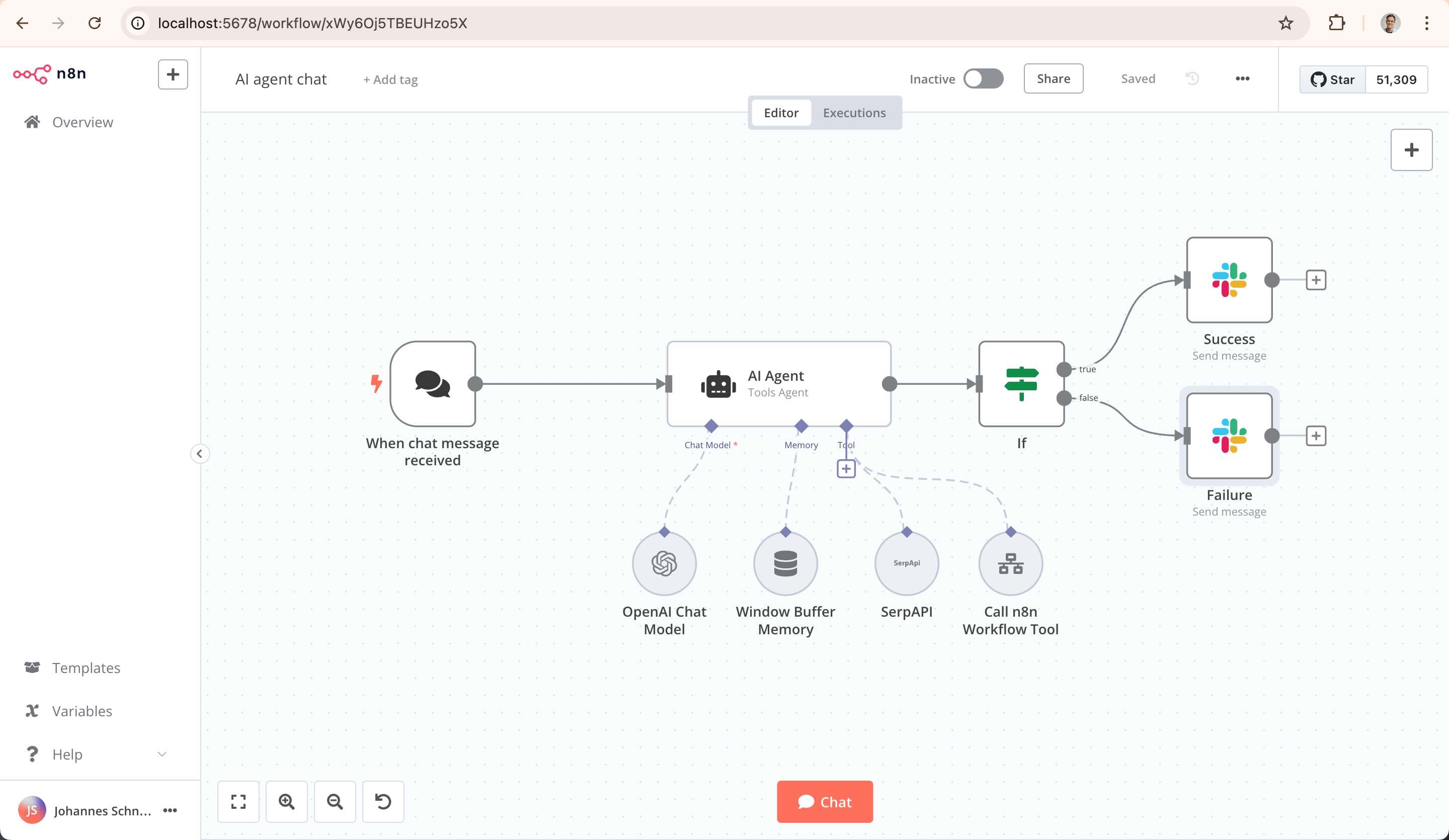
n8n is a workflow automation platform that gives technical teams the flexibility of code with the speed of no-code. With 400+ integrations, native AI capabilities, and a fair-code license, n8n lets you build automations defined with routing and control blocks in a graphical way.
Long Story Short
OpenClaw delivers a fast path from idea to running agents. Hermes gives full control and the beautiful cleanliness of Python. Nemoclaw is the containerized, air-gapped solution with OpenClaw on NVIDIA hardware. AutoGPT fits batch and goal-decomposition workflows without the overhead of a persistent daemon. n8n belongs in the ops toolkit when your workflow is built deterministically first.
References
- OpenClaw: https://openclaw.ai
- https://github.com/openclaw/openclaw
- OpenClaw security analysis: https://www.helpnetsecurity.com/2026/02/12/openclaw-scanner-open-source-tool-detects-autonomous-ai-agents/
- comparison deep-dive
- AutoGPT: https://agpt.co
- https://github.com/Significant-Gravitas/AutoGPT
- n8n: https://n8n.io
- https://github.com/n8n-io/n8n